First marathon? The pacing mistakes everyone makes
The first ten kilometres feel free. They are the most expensive kilometres of your life. A coach's guide to not blowing up at the 32K wall.
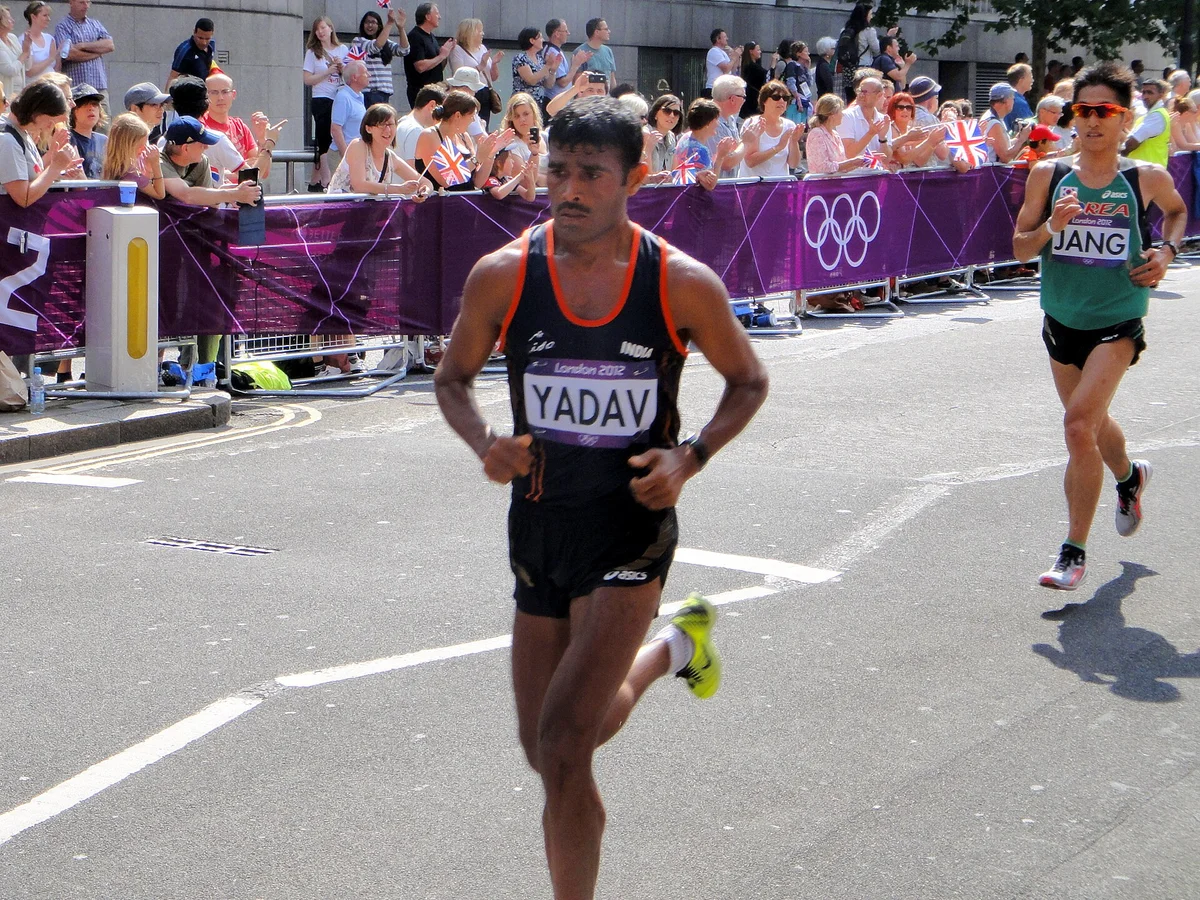
- Every second too fast early costs two later
- Nothing new on race day — train your fuelling
- Schedule the 32K wall instead of fearing it
- Planned walk breaks beat unplanned death marches
Every first-timer runs the same race: euphoric start, heroic middle, and a final ten kilometres renegotiated on foot with God. Coaches call it paying interest on borrowed pace — every second too fast in the first half costs two in the second.
The fix is arithmetic plus humility. Decide a realistic finish time, divide it honestly, and run the first five kilometres slightly slower than the plan. It will feel wrong. That feeling is the plan working.
Fuelling errors come second. Nothing new on race day is the oldest rule and the most broken: the free energy drink at the 18K table has ended more debuts than any hill. Train your stomach in training, like any other muscle.
Respect the wall by scheduling it. Somewhere after 30K the body switches fuel tanks and morale dips on cue. Runners who expect it treat it as a checkpoint, not a crisis — slow ten percent, take the gel, count lampposts, and let it pass.
And walk breaks are not failure. A planned one-minute walk every five kilometres finishes ahead of an unplanned death march every time. The medal does not record your ego. It records that you finished.

Reader Comments
Comments are reviewed by our desk before they appear. Sign in with your mobile number to join the discussion.